

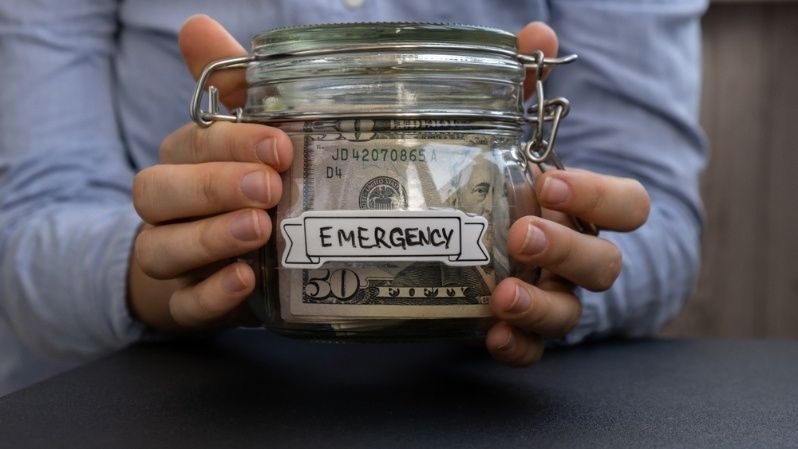
Unsure when a need for emergency funds may come up? Waiting to save money until it actually happens doesn't work! Save up now so that when the unexpected hits, your family will be covered. Emergency savings can make all the difference in having financial security as we navigate through this rapidly changing world. When you prioritize saving towards emergencies with your hard-earned money, you will be able to use it to keep you out of debt, produce reliable income protection, and build solid financial futures from day one.
Having an emergency fund provides financial security to cover unexpected expenses, including medical bills, job loss, or urgent repair needs. To build your savings quickly, use sound financial principles, practice crisis management, prioritize emergency savings, and strive for sustainable finances in unpredictable times.
Emergency savings are no longer optional but absolutely necessary in our unpredictable economy. They help you avoid debt, reduce stress levels, and create financial stability in the face of life’s many uncertainties. Without proper emergency savings, minor financial problems can escalate rapidly into major crises.
The need for emergency savings has never been more apparent than in these days of economic uncertainty, inflation, and increasing living costs. An emergency savings account provides you with a safety net, allowing you to cover basic living expenses without having to borrow money through high-interest loans or credit cards.
In addition to serving as a cushion against financial obligations, having an emergency savings account gives you peace of mind. By knowing that there is money available to help insulate you from economic strife, you are able to make rational decisions free of fear or anxiety.
According to experts, it is a good idea to save between three and six months of expenses as emergency funds. Your savings amount depends on your overall lifestyle, income stability, and the number of other financial obligations you have.
Don’t let yourself be intimidated if you are just starting out; set a low goal, say, $500 or $1,000, and continue building your emergency fund as you improve your overall financial security!
If you want to build your emergency savings quickly, you'll need to combine strategy, consistency, and discipline. With the right financial safety net established and by saving actively, you'll build up financial stability far more rapidly than you may realize.
Here Are Some Helpful Steps
The first thing you need to do to build an emergency fund is to establish a clear, concise budget. Keep track of your income and expenses so that you know the areas where you can cut costs as well as see where you can spend more.
Identifying non-essential expenses to redirect into your savings fund is important to create an emergency fund. Making small adjustments to the way you spend money, such as eating out less or reducing your subscriptions, will help expedite the process.
An efficient way to build your emergency fund is through automating your savings.
Automating your savings is one of the best ways to develop your emergency savings. Set up an automatic transfer from your paycheck to your savings account every payday.
The goal here is to provide you with a reliable source of financing so that your savings will not be depleted by other means. Your emergency savings will be compounded over time without requiring any additional effort.
It is important to find the right combination of paying down the high-interest loans you have while building up an emergency savings account. When you are paying off your high-interest loans, you also want to put a little bit of money away into your emergency savings account.
This will prevent you from getting deeper in debt should you have any unanticipated expenses while still providing you with financial security.
Try adding to your income stream through side jobs or freelancing to save money faster. Having the extra income available will greatly increase how quickly you can build up an emergency savings account.
While establishing an emergency savings account is critical, it's also important to ensure the amount stays intact. One of the best ways to ensure you continue on track with your goals regarding how you save for emergencies is to have a solid financial plan that includes a consistent method for planning for emergencies going forward.
You will want to have your emergency fund readily available so that you can respond in a timely manner to any emergency as they come up, but you also don’t want it so easily available that you use your money impulsively. A simple way to strike this balance is to establish a separate high-yield savings account for your emergency funds. This way, your funds are protected from theft and/or damage and will also earn interest.
This should help you save towards an emergency and mitigate any urge you may have to make an impulsive withdrawal.
Since your life is going through constant change, it is also important for your savings goal(s) to go through a similar process. You should periodically review your emergency savings to confirm that they meet your current life situation.
If you discover your emergency savings goals are not aligned with where you are in life, you want to make whatever adjustments are necessary to your financial position, so you are prepared should a new challenge arise.
Discipline is essential! Emergency savings should be used only for actual emergencies, like illness, unemployment, or urgent repairs. If you deplete your emergency savings for something that isn't an emergency, it could alter your plan for future crises and may delay achieving your total financial plan.
Your emergency savings should be combined with a comprehensive financial plan that includes your other resources, such as insurance coverage, investments, and retirement savings. By creating this type of financial strategy, you will improve your overall financial position and increase your potential for future financial success.
An emergency fund is essential for achieving true financial independence and for managing unforeseen expenses without overspending or straining your budget. Creating your emergency fund will also enable you to make informed decisions about the security of your finances in times of need. Creating safe, accessible tools that make it easy to build savings quickly, utilizing methods of financial protection, and saving discretionary income for emergencies are all ways you can build a solid, secure, and stable financial situation.
Begin with a small savings account, build your savings steadily, and remain determined to reach your savings goal. By staying focused on building a large cash reserve for your emergency fund, you will provide the future security you require during challenging times.
An emergency fund serves as a cushion, or "buffer," to help cover living expenses when income suddenly disappears due to an emergency (e.g., job loss). Proper crisis money setup provides a means of maintaining stability while you attempt to find new work and/or readjust your budget during times of uncertainty.
Budgeting apps, spreadsheets, and banking tools all provide effective ways to track the growth of your emergency savings fund while offering insight into your spending patterns and overall saving levels. Ongoing monitoring of progress helps ensure adherence to financial safety tips and motivates staying on track toward becoming an emergency savings contributor.
When building an emergency savings account, you should prioritize liquidity and security as much as possible—not necessarily high returns. Investments may only create an enormous opportunity for growth; however, they also create an equal or greater risk of loss. Therefore, keep your emergency funds in a high-yield savings account that you can access quickly. This approach is also consistent with the goals of maintaining financial security and crisis management strategies to continue creating stability.
Lifestyle changes that lower your spending or increase your income will directly affect how quickly your emergency savings grow. Developing a frugal lifestyle will help you to increase your savings quickly while learning financial discipline. In turn, these changes will develop your financial safety tips and allow you to make continual progress toward saving for an emergency (and your long-term financial security).
Yes! You can rebuild your emergency savings with a systematic plan. The first is to reevaluate your budget and create a savings contribution plan. By implementing crisis money plans and financial safety tips, you can restore your savings in no time while maintaining a secure financial status and preparing for future uncertainties.
This content was created by AI