

Managing money gets overwhelming when costs seem to climb faster than your paycheck. Sometimes, it feels like the only fix is a higher income. But honestly, that’s not the whole story. Smart budgeting works even if your income isn’t huge—you just need the right strategies.
Here, you’ll find some straightforward, practical ways to save more, how the 50/30/20 rule makes budgeting easier, and a handful of budget planning tips that can really help you stick to your plan.
Everything starts with a real budget. Give your money a job, and you can finally get that sense of control (and maybe even breathe a little easier). Here are some of the best budgeting techniques:
You need a reason to save. It’s tough to stay motivated if you’re just saving for “someday.” Pick a goal—anything. Maybe you want an emergency cushion or to pay off your credit card. Or you’re looking farther ahead: a house, retirement, that sort of thing. Short-term, long-term, whatever keeps you focused.
When you attach every dollar to a purpose, your spending isn’t just random. Following this approach actually helps you build better habits and stick to your plan, because every purchase gets weighed against your goals.
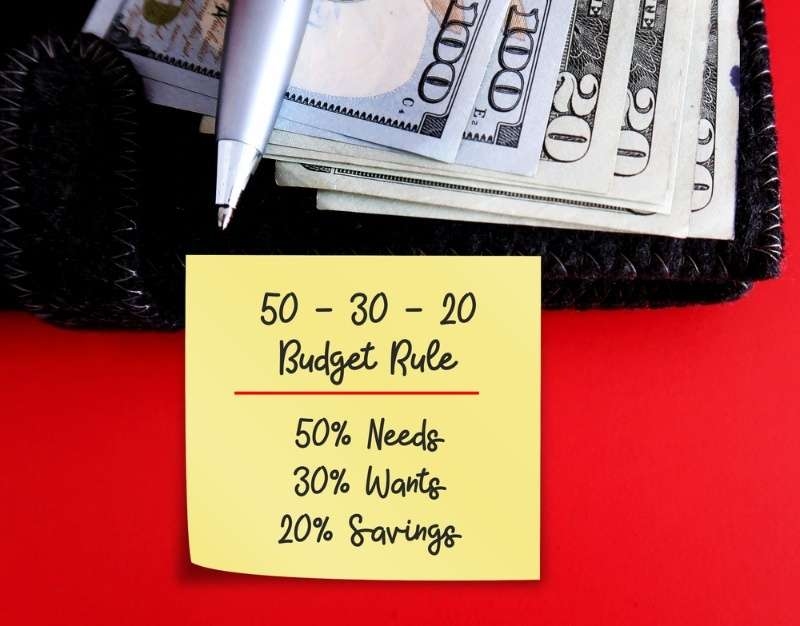
The 50/30/20 rule keeps things simple: split your monthly income—50% goes to essentials (rent, groceries, and bills), 30% for fun stuff or “wants” (dinners out and movies), and the last 20% straight to savings.
It’s easy to use, but surprisingly powerful. It helps you spend responsibly without feeling deprived, as savings are already baked into your budget. If you’re feeling ambitious, shift the numbers—trim down your “fun” spending and bump savings higher. This rule doesn’t box you in; it just helps you increase your savings ratio.
This one’s not glamorous but makes a massive difference. Even small purchases—a coffee here, a new app there—can eat away at your money without you noticing. When you start tracking every expense, you’ll spot patterns and, most likely, a few leaks.
Suddenly, skipping those extras isn’t so painful because you’re watching your savings grow. Writing down your spending (or using an app) builds awareness, which helps you stay on track and hit your goals faster.
Zero-based budgeting is simple: every dollar you earn gets assigned to a category, even if that’s savings or paying down debt. By the end of the month, your budget “zeros out”—all your income is accounted for.
This method forces you to get intentional with your money. There’s no more, “Where did my paycheck go?” Instead, you decide in advance. Saving becomes a bill you pay, no matter what. Over time, that discipline sticks, and hitting your savings targets gets easier.
All in all, saving more isn’t about earning more—it’s about making your money work for you. Set your goals, follow the methods, and start tracking those little expenses. You’ll see your savings grow, one decision at a time.
Setting up automatic transfers is probably the easiest way to start saving without having to think about it. Once you set it, you’re not faced with that constant debate every month about how much to set aside. Money moves out of your checking account and into savings before you even notice. That’s why it works so well—especially if you’re trying to stick to the 50/30/20 rule. Every month, you know your savings are handled.
This approach also builds discipline without you having to do anything extra. It lines up with most smart personal finance tips: if you automate things, you’re more likely to hit your goals simply because you remove all the excuses.
One of the quickest ways to get your finances in better shape is to slash the stuff you don’t really need. It’s shocking how much we blow on subscriptions we forgot about or eating out “just this once” (again and again). Get honest with yourself about where your money’s going—budgeting always starts with taking a hard look at your habits.
When you cut out those little extras, suddenly you have cash left over. More to save, just like that. It’s straightforward, and you see the results fast. Smart budgeting is less about being strict and more about making what you have work better for you.
Honestly, the best budget in the world is worthless if you give up on it. Sticking with it—that’s where all the real progress happens. The trick is building new habits and checking in on your budget regularly. Life changes, and bills pop up and income shifts. Your plan needs a little tweaking sometimes.
When you stay on top of your budget, you keep your money under control. It gets easier to stick with your saving goals, and over time, the whole thing starts to feel natural.
People trip up on their budgets for the same old reasons—going overboard with unrealistic plans, ignoring the tiny expenses that pile up, or just not tracking where the money goes. All that can derail you fast.
The key is to keep things simple and flexible. If your budget is too rigid or complicated, you’ll drop it at the first sign of trouble. Learn from your missteps and keep tweaking how you manage your money. That’s how you get better.
A good budget is the backbone of financial sanity. Without one, it’s just too easy to overspend or end up wondering where your paycheck went. With a plan, every dollar has a job. Suddenly, you’re not as stressed. You know where things stand, what you can afford, and how much you’re putting away for later.
Budgeting can change your life. When you actually use solid budgeting techniques and personal finance tips, you start taking back control. Day by day, your savings grow, and your goals get closer.
Stick with it, tweak things as you go, and those new habits will pay off. If you keep at it, financial stability really does get easier, and you’ll feel a whole lot more secure along the way.
Beginners should go for methods that are simple and easy to follow. The 50/30/20 rule is a good example, as it clearly prescribes the division of income. It encourages you to repay the cash you have while still splurging a little if you don't want to make a budget scary or impossible to sustain.
You can increase your savings by cutting down on your luxuries and strictly monitoring your expenditures. Employing a couple of effective ways to save money and sticking to your saving habit will allow you to put away more from your existing income without having to look for a raise or additional sources.
It is advisable that you review your budget at least once a month. Frequent monitoring gives you the chance to tweak your expenditure and make sure that you are moving towards your objectives. Moreover, this practice leads to making wiser financial decisions and, of course, maintaining consistency in the budgeting process.
Certainly, budgeting will prove very helpful to someone with an irregular income. Your budget can be calculated based on the lowest income that you are likely to get, and changes can be made during the months when your earnings are quite high. Such a strategy will result in you keeping a balanced life and having some savings even if your income is irregular.
This content was created by AI