

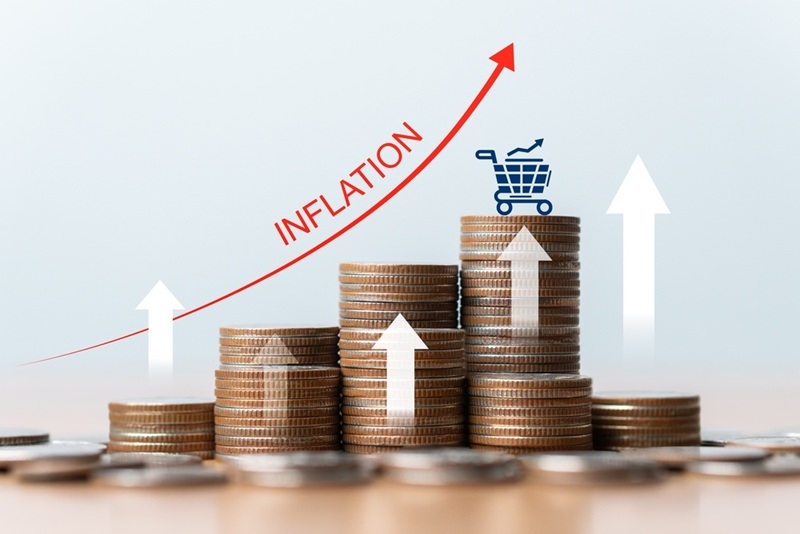
Day-to-day experiences with inflation continue to increase. Higher grocery bills and rent prices are two ways inflation affects our lives now. Many families are looking for ideas on how to save money to help them cope financially with rising costs or ways to create a budget to survive financially. It is necessary to understand budgeting and saving during periods of inflation to manage the financial impact of the economy as it unfolds each day.
Day-to-day experiences with inflation continue to increase. Higher grocery bills and rent prices are two ways inflation affects our lives now. Many families are looking for ideas on how to save money to help them cope financially with rising costs or ways to create a budget to survive financially. It is necessary to understand budgeting and saving during periods of inflation to manage the financial impact of the economy as it unfolds each day.
When the prices of goods and services go up, people have less money left after making a purchase, creating financial hardship for many, both individually and collectively.
As inflation increases, the price of many common items purchased daily (essential items) increases, putting pressure on families to spend differently and to decide what is truly important to them.
Another key change to the economy is the wage gap between income and expenses. As a result, people's disposable income shrinks and becomes harder to save during inflation.
Consumers begin to adjust their spending habits by adopting cost-saving strategies, including eating out less, limiting purchases through subscription services, and choosing generic brands over name brands.
To understand how inflation affects you, it's important to adopt intelligent financial practices to help keep up with cost increases over time.
Maintaining an effective budget, tracking your expenditures frequently, setting reasonable financial goals and objectives (considering what is really necessary), and developing a flexible budget that adjusts as your costs increase will lead to greater savings, as your overall cost of living increases every year.
Consider purchasing in bulk, comparing prices from multiple retailers, and trying out discount systems such as cash back (discounts add up quickly). The more you save now, the more money you'll have at your disposal in the future.
Although saving can be difficult during an economic downturn, you can still find ways to save while inflation remains high. Start by making small contributions regularly (weekly, bi-weekly, or monthly) to savings and emergency funds, and set up automatic transfers to help enforce discipline when it comes to saving money.
Practical solutions are needed to adapt to rising prices driven by inflation. By implementing efficient cost-cutting measures, you can remain financially secure even if prices continue to rise.
Review all your bills each month to identify unnecessary expenses (subscriptions you no longer use, luxury items you typically buy, etc.) and eliminate them; this is an effective way to save and free up money for other uses.
By becoming more energy-efficient (reducing your electricity, heating, and cooling use) and using less water, you can significantly reduce your utility bills over time. Making small changes to how you live is one way to save money amid rising living costs.
When you plan your purchases, use coupons, and avoid buying on impulse, you develop strong budgeting habits that help you manage your overall financial situation and inflation.
During times of economic change, you can invest in assets that can help you hedge against inflation (stocks, real estate, and/or Treasury Inflation Protected Securities) as a means of achieving your long-term financial goals even through inflation.
Although inflation's effects will not go away, they can still be managed to ensure your financial well-being remains stable. By using budgetary techniques designed specifically for inflation, adopting common/sensible strategies for rising costs of living, and emphasizing saving during an inflationary environment (how), you can successfully manage the current state of affairs. The ability to plan effectively, spend within reason, and have the mindset to handle the effects of long-term economic changes can help you secure a better financial future.
Inflation has a positive impact on future money value, making it easier for individuals to prepare for their long-term financial goals. Therefore, individuals will have to revise their saving goals, invest in the right assets that can withstand inflation, and regularly review their current strategy to determine whether it remains sound amid economic changes and rising prices.
Examples of advanced inflation budgeting strategies include zero-based budgeting and focusing on high-impact categories of expenses families have spent money on, then reallocating that money from discretionary items to essential needs. Furthermore, families can develop multiple income streams and use budgeting software and/or apps to track their spending, thereby gaining better control over family finances during unpredictable economic periods driven by inflation.
It is possible to build your wealth by saving money during periods of high inflation if you invest your savings wisely. Placing your savings in higher-yield accounts, stocks, or diversified portfolios can mitigate the impact of inflation on your savings and help them grow rather than decrease in value over the long term.
Businesses need to keep an eye on supply chain expenses, how consumers are spending their money differently from before, and pricing strategies. The effects of economic changes can substantially diminish a business’s profit margins, requiring business owners to reassess their operations, identify cost-cutting opportunities, and develop new ways to generate revenue to remain competitive during periods of inflation.
For modern households, there are many ways to save money through innovative ideas such as sharing subscriptions among family members, using digital budget apps, and switching to energy-efficient appliances. Innovative budgeting resources help households save money while maintaining their lifestyles amid high inflation.
This content was created by AI